Conventional Submarines
The S-80 programme, comprising four conventionally powered submarines for the Spanish Navy, is progressing according to schedule, with the diesel engines now installed aboard the third submarine in the class, SPS “Cosme García” (S 83).
Navantia begins AIP propulsion system testing on third S-80 attack submarine
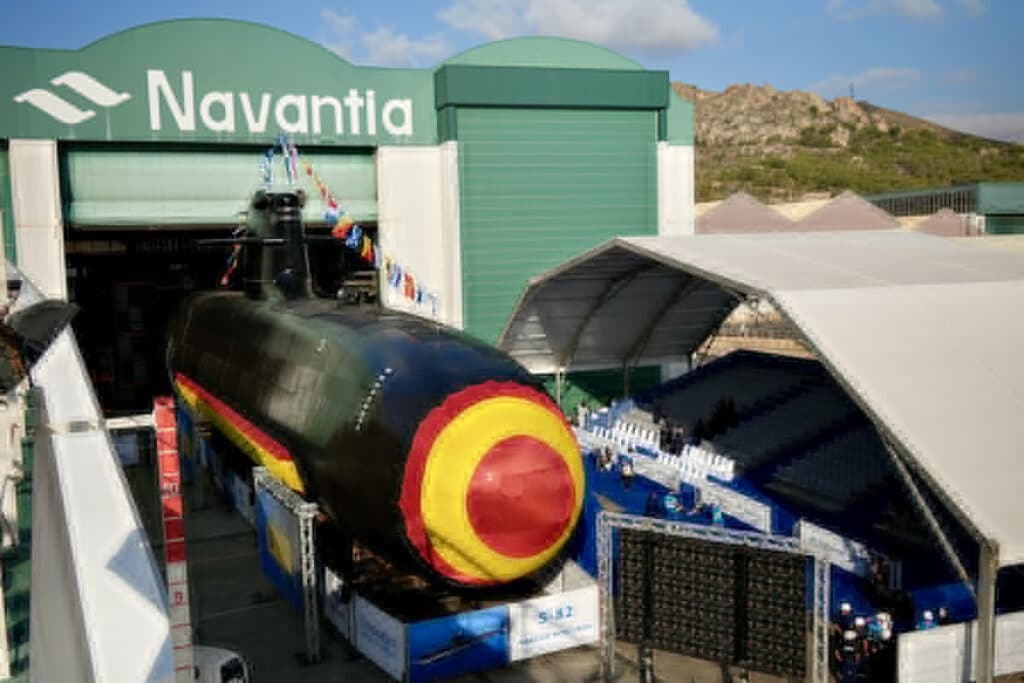
Navantia, at their Cartagena shipyard in the Region of Murcia in southeastern Spain, has begun testing of the air independent propulsion (AIP) system already incorporated into the section of the third S-80 series submarine SPS Cosme García (S 83)
Unmanned Underwater Vehicles
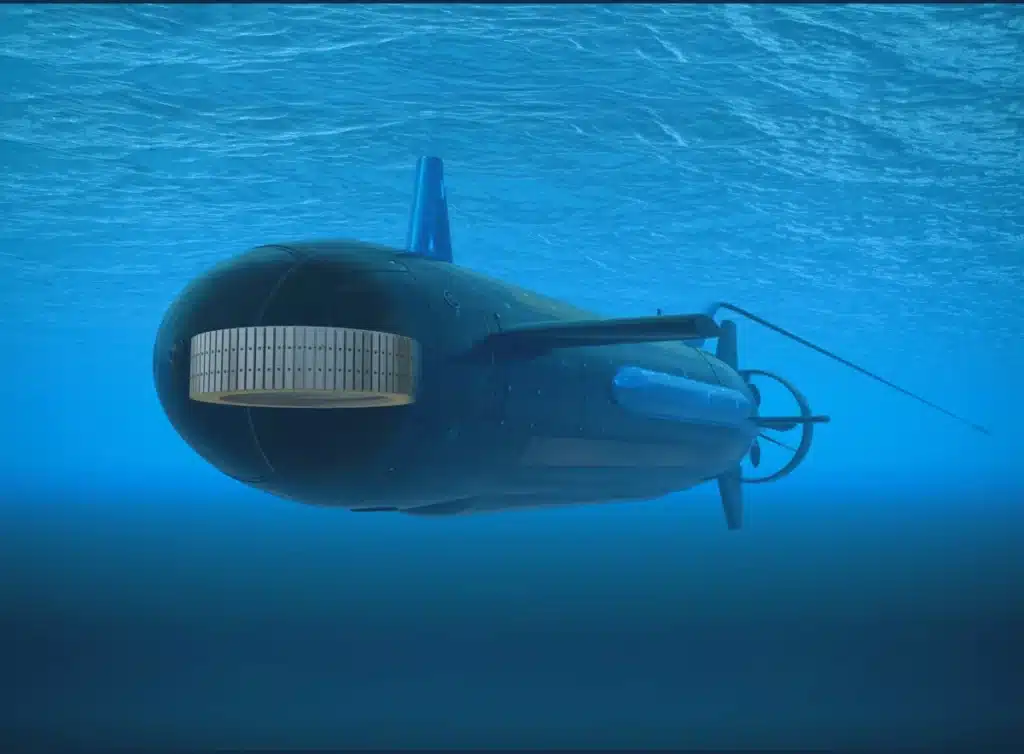
More than ever before, unmanned underwater vehicles will enable navies to achieve a continuous in-theatre presence in varying mission scenarios.
Autonomous Underwater Vehicles
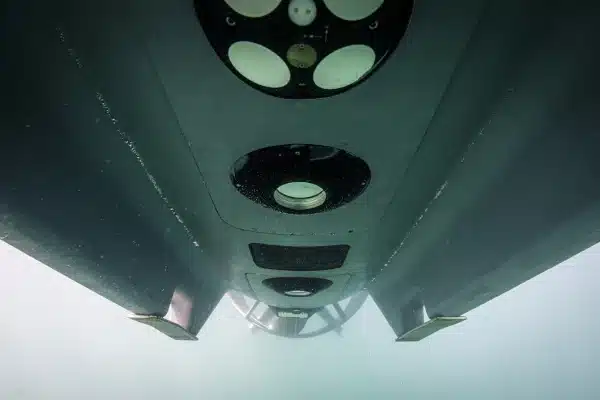
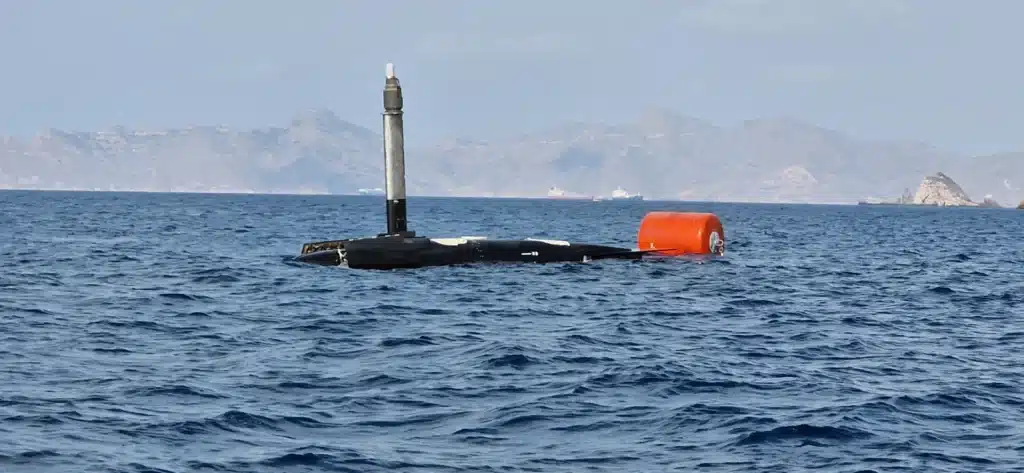
EUROATLAS and strategic partner EvoLogics are proceeding with sea trials of their GREYSHARK™ autonomous underwater vehicle (AUV)
Second S-80 class submarine hits the water and prepares for testing phase
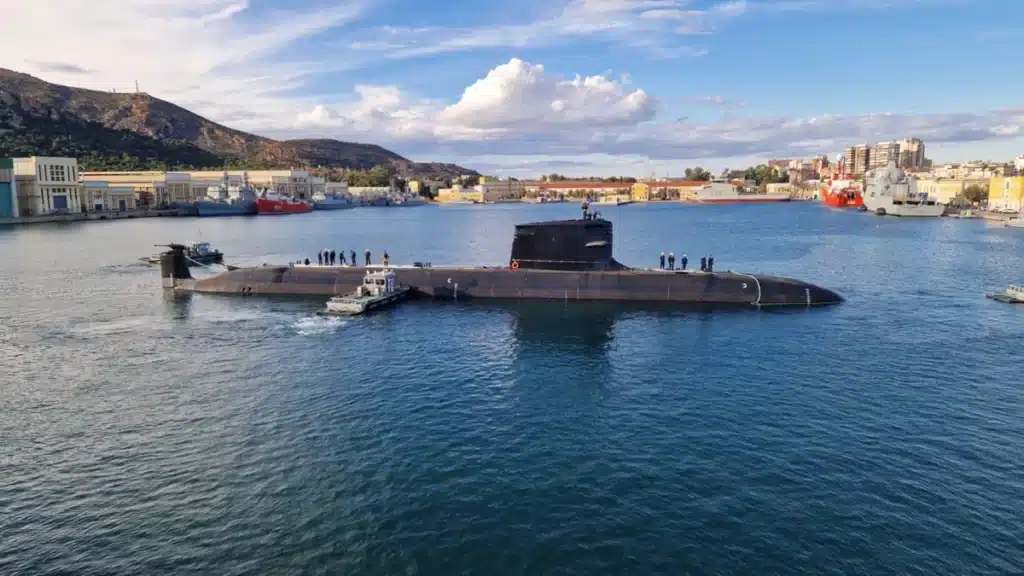
The submarine sits in the water after a long an delicate manoeuvre, carried out over several hours using a floating dock and involving a series of essential tasks and checks to ensure the operation was conducted safely, both inside and outside the submarine.
Spain’s S-80 attack submarine programme progresses
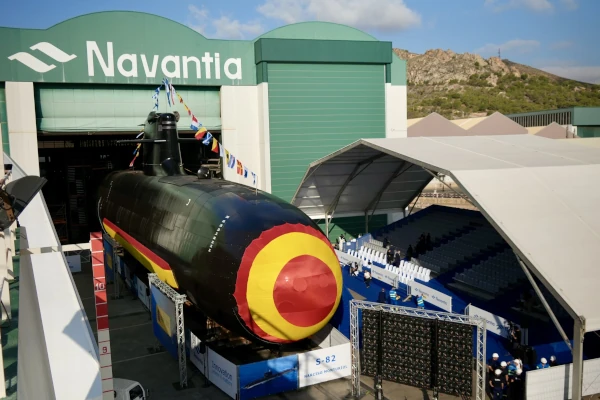
Navantia’s shipyard in Cartagena (Murcia) has hosted (on 3 October) the naming ceremony of the S-80 submarine SPS Narciso Monturiol (S 82).
Greyshark: Autonomous Underwater Drone for Maritime Security and Reconnaissance
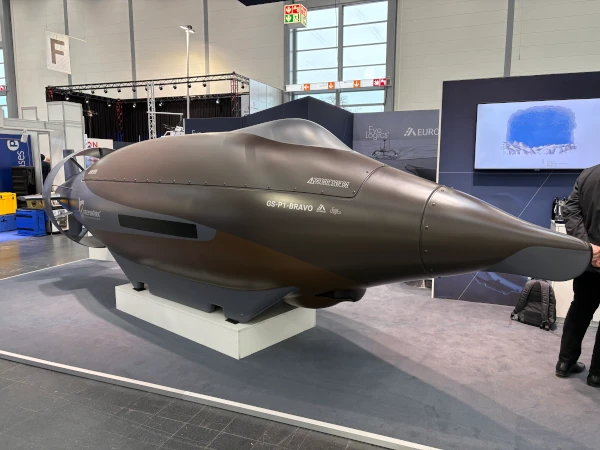
The rapid development of autonomous systems is not only transforming aerial and land-based operations but also increasingly revolutionizing the underwater domain. The Greyshark underwater drone introduces a new dimension of maritime security and reconnaissance, offering a highly capable Autonomous
Known unknowns
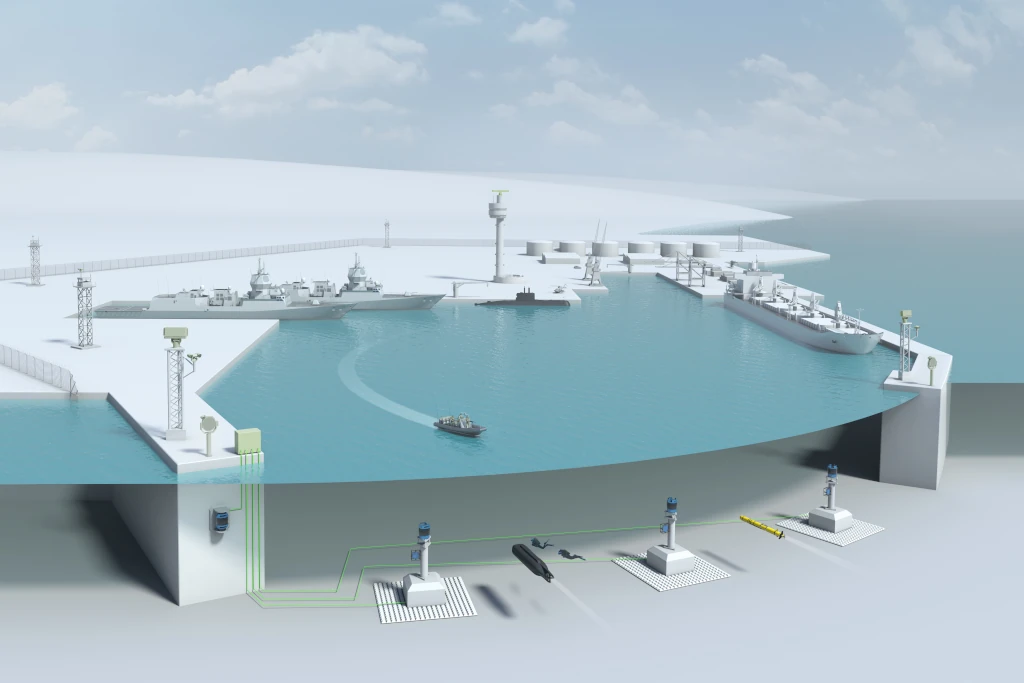
The protection of critical maritime infrastructures has become a top political priority since the September 2022 attacks on the Nord Stream pipelines in the Baltic Sea. Another incident – not far away from the destroyed pipelines – happened last November when a fibre-optic cable has been damaged. It was described t
People Talk: Dr. Gunter Freitag, Aeromaritime Systembau GmbH
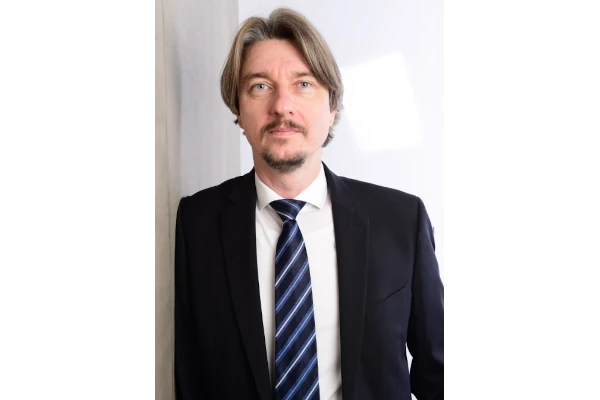
Dr. Gunter Freitag joined AEROMARITIME Systembau as head of research & development in January 2023. He is responsible for the technical development of hardware and software of the entire product and system portfolio.
HENSOLDT passes critical design review for Norwegian Ula class submarines
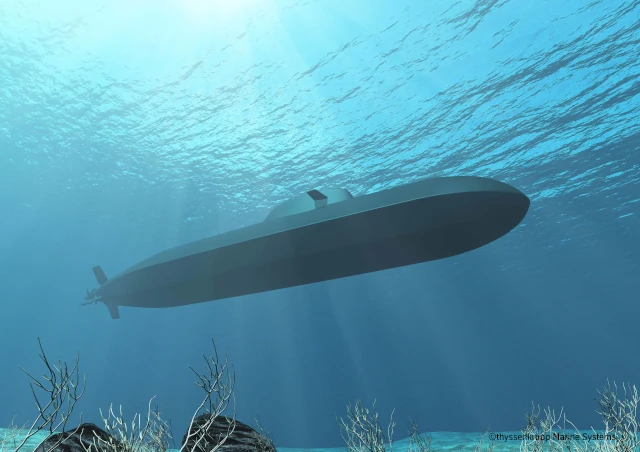
Submarines will play an increasingly important role in the defence of Norway and NATO. Sensor solutions provider HENSOLDT has reached another milestone in the modernisation of the Ula class (HDW Class 210) diesel-electric submarines oft he Royal Norwegian Navy (RNoN).