Navantia celebrates naming of new Spanish Navy underwater intervention vessel
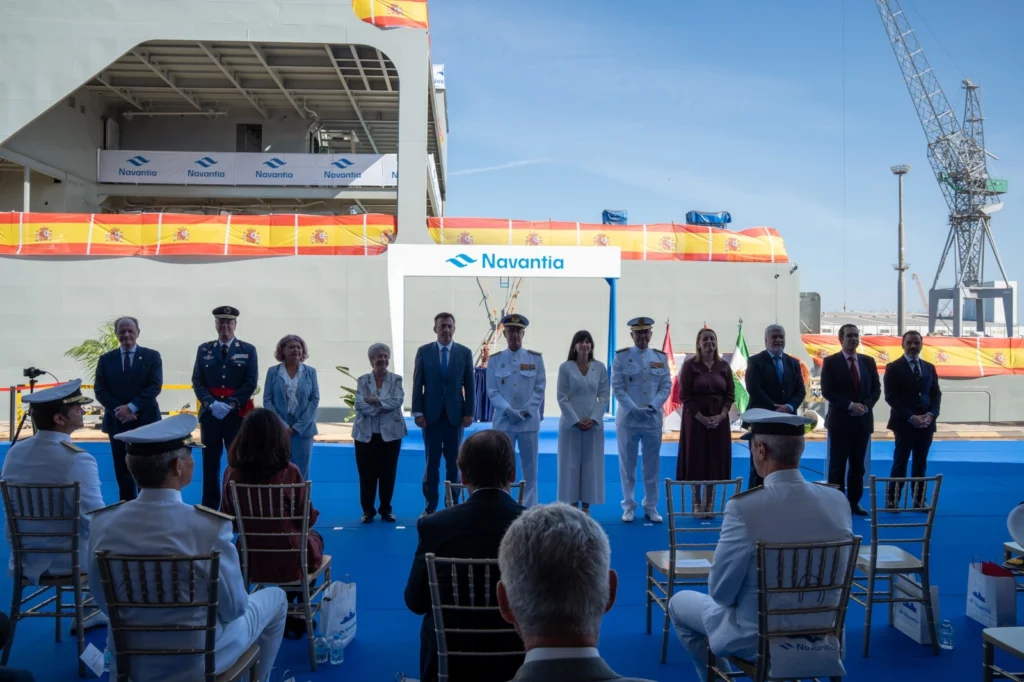
On 18 September, Navantia celebrated the naming ceremony of the Spanish Navy’s new Underwater Intervention Maritime Action Vessel (BAM-IS).
SPICE 1000
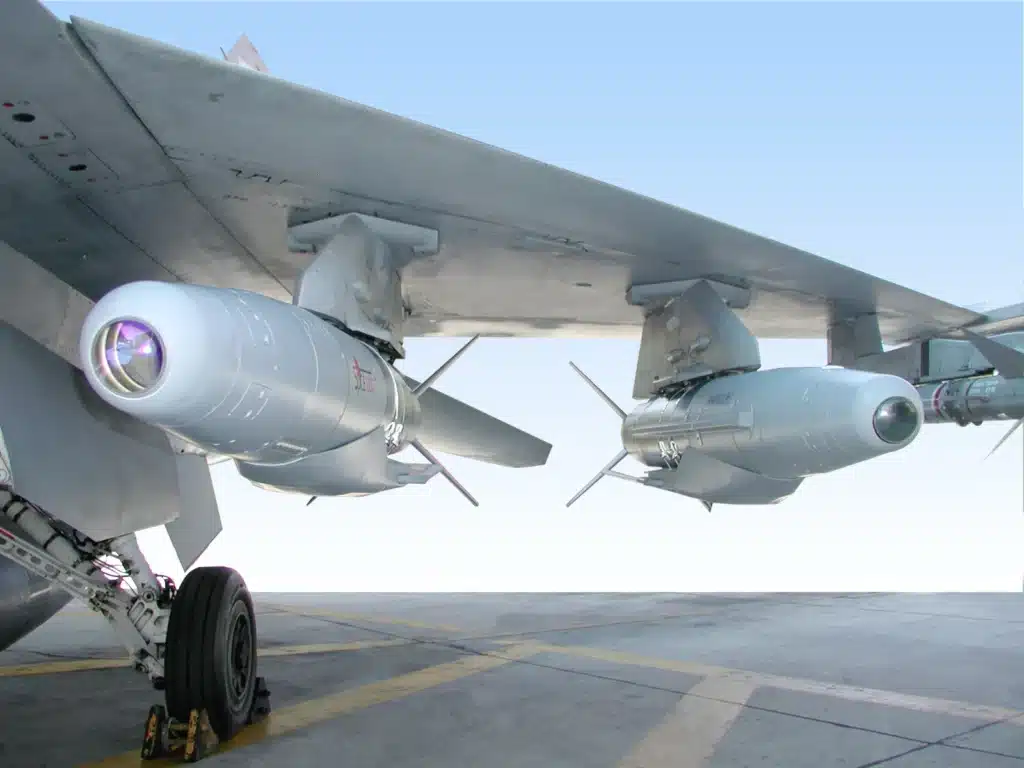
Rafael Advanced Defense Systems Ltd. is integrating its SPICE 1000 air-to-surface munition on the F-35 combat aircraft. It marks a significant step that will allow other countries operating the F-35 to field the Israeli munition in the future.
Interview with Captain Broder Nielsen, Commander Naval Aviation Command, German Navy
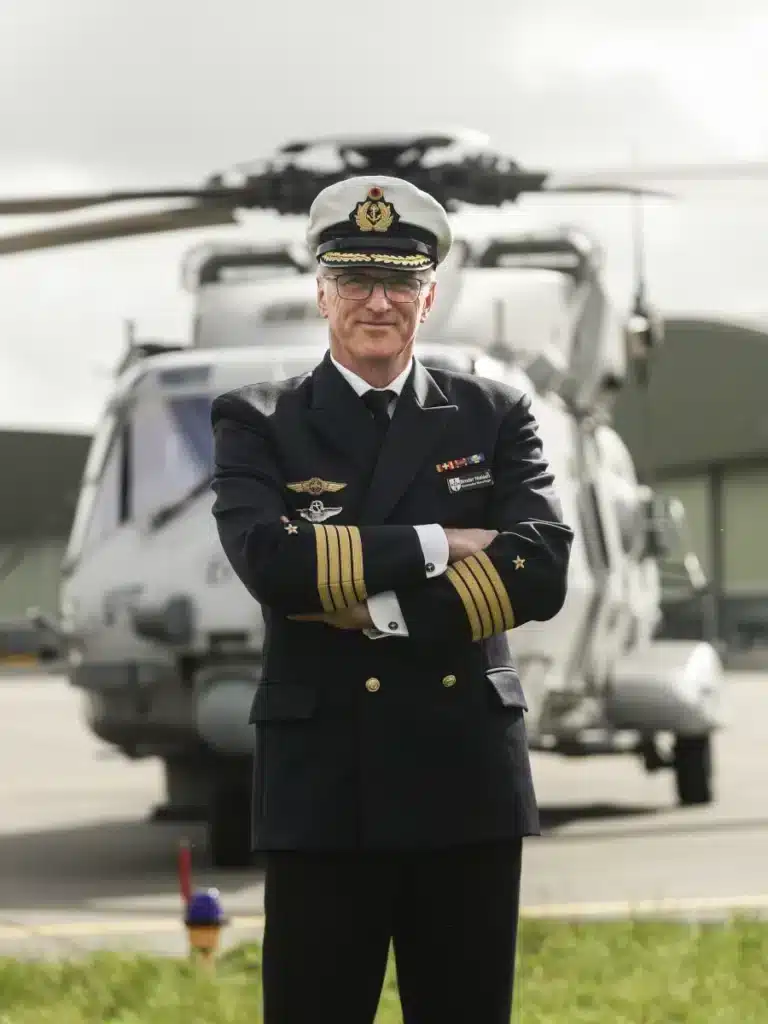
The procurement agenda for German Naval Aviation inspires optimism. It embodies the mission, vision and objectives of a major formation of the German Navy for the 2030s – featuring robust capabilities across all domains of aerial naval warfare.
Cybersecure weather intelligence for modern naval operations
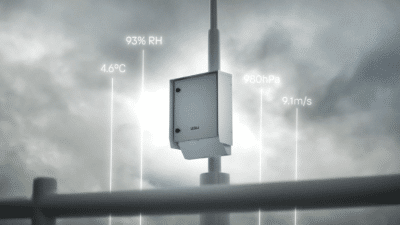
Vaisala’s AWS830 delivers real-time metocean data engineered for naval, coast guard, offshore and research vessel operations.
Conventional Submarines
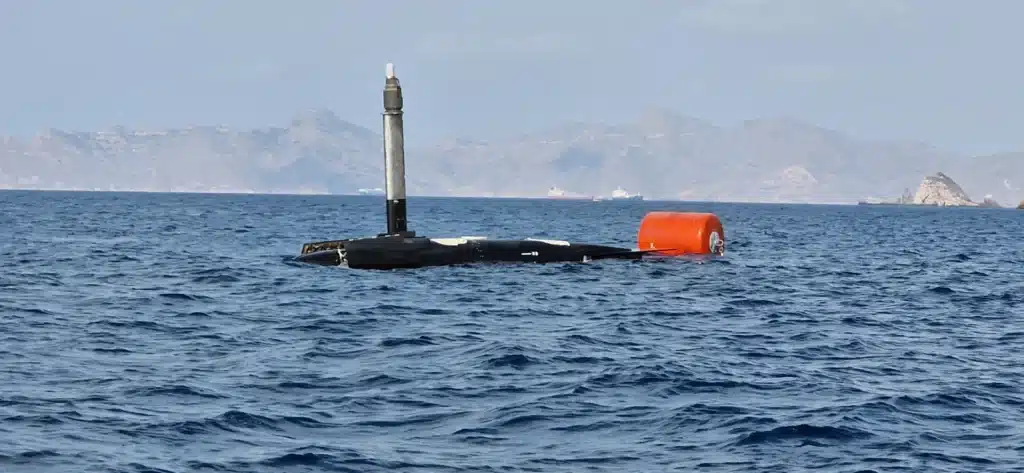
The S-80 programme, comprising four conventionally powered submarines for the Spanish Navy, is progressing according to schedule, with the diesel engines now installed aboard the third submarine in the class, SPS “Cosme García” (S 83).
Navies’ top priority is protection
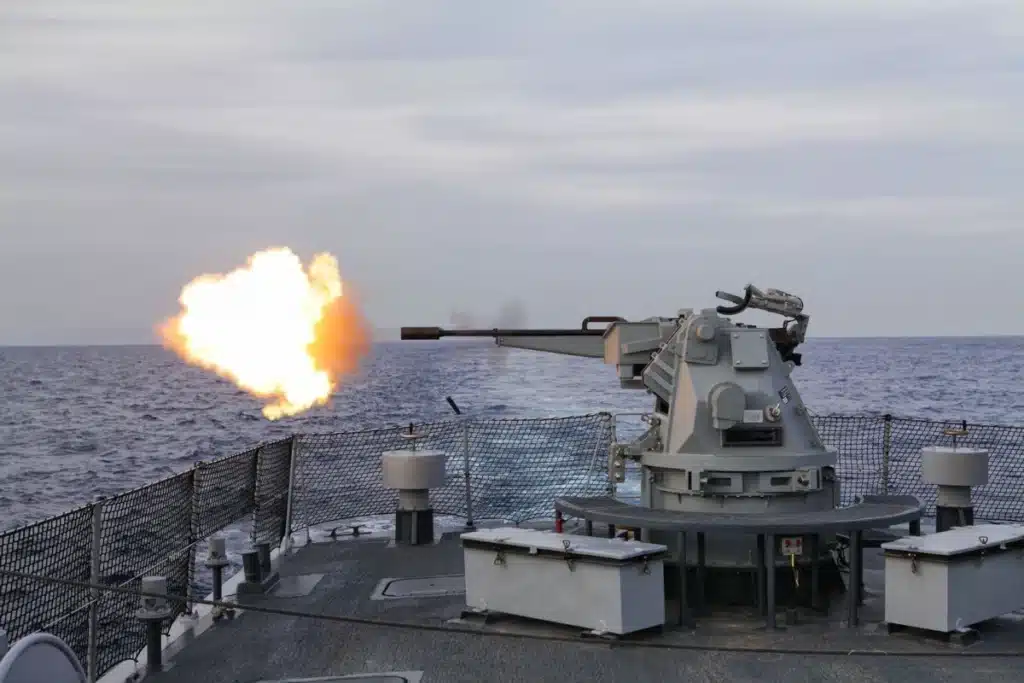
Navies are preparing to defend against increasingly deadly threats. Many surface ship classes are to be shaped-up to better defend against the threat posed by any kinds of kinetic weapons. Hard-kill weapon systems form a significant element of the detect-control-engage chain at sea.
Prognostication

It’s ‘spectacular’ all over again, only worse: US President Donald Trump’s recent intervention at the FIFA and his renewed address to Copenhagen over an anticipated annexation of Greenland.
On time: Navantia celebrates the launching of the sixth AVANTE 2200 corvette for Saudi Arabia
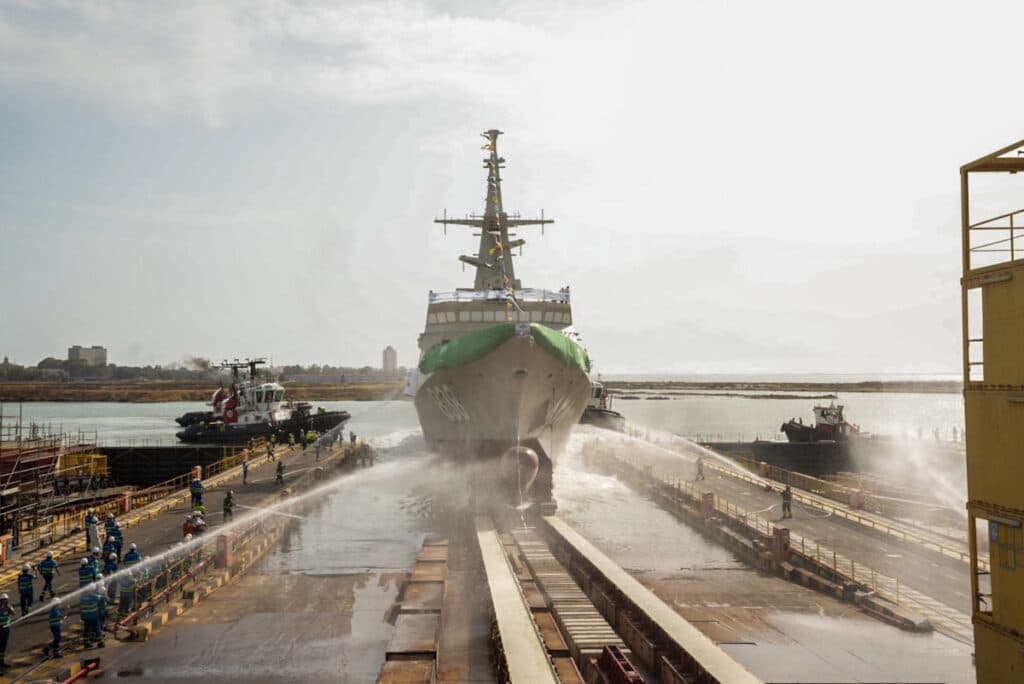
On 18 June 2026, Spain’s premier naval shipbuilder Navantia has launched the first of a second batch of three AVANTE 2200 corvettes for the Royal Saudi Naval Forces (RSNF).
Navantia begins AIP propulsion system testing on third S-80 attack submarine
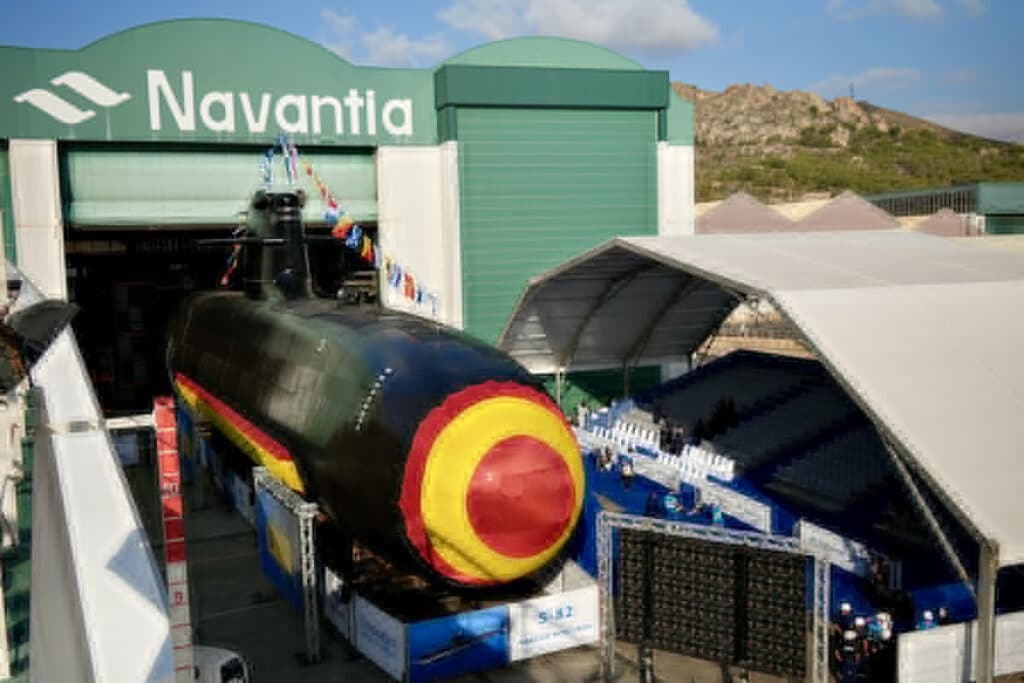
Navantia, at their Cartagena shipyard in the Region of Murcia in southeastern Spain, has begun testing of the air independent propulsion (AIP) system already incorporated into the section of the third S-80 series submarine SPS Cosme García (S 83)
Eurosatory 2026
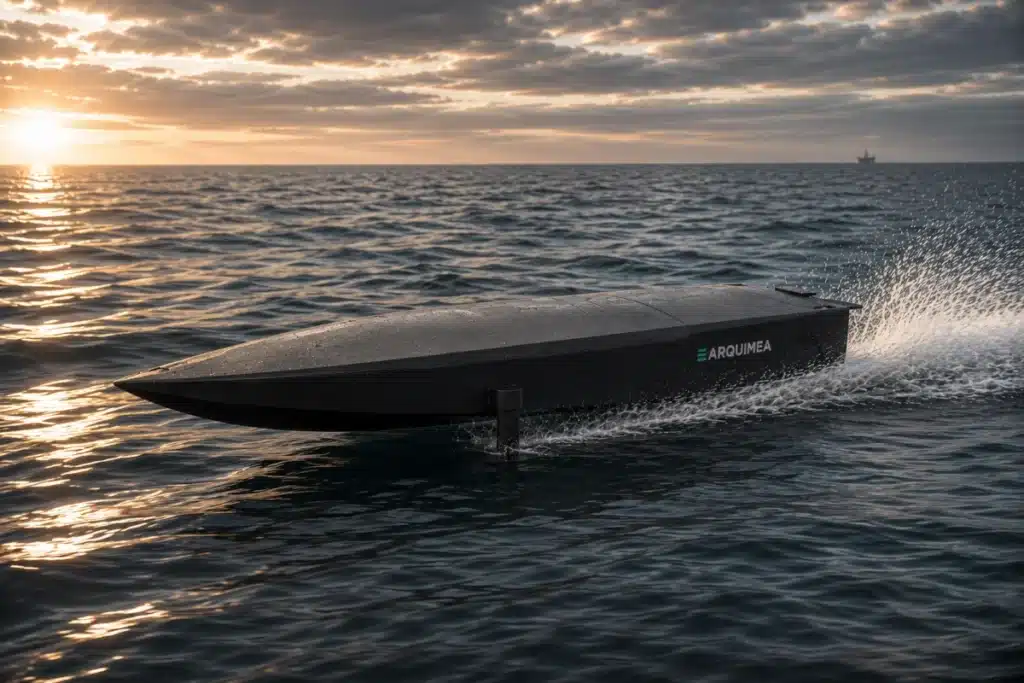
ARQUIMEA unveils Kronos Mini – a new autonomous naval system to reinforce its capabilities in naval loitering systems