
Over nearly three decades, the Spanish shipbuilder Navantia has developed a proven track record as an integrator of different systems in state-of-the-art surface combatants.
Navantia has established robust industrial partnerships that addresses the core challenges of modern naval capability development: integration complexity; sovereign control; and long-term adaptability. Across multiple major programmes, these collaborations have delivered advanced combat system integration outcomes while defining repeatable architectural and governance patterns applicable to both national and international naval acquisitions.
Navantia’s DNA
Navantia owns a world-class position as a ship designer and integrator, particularly in international programmes where multiple suppliers and national requirements must be combined within a single platform.
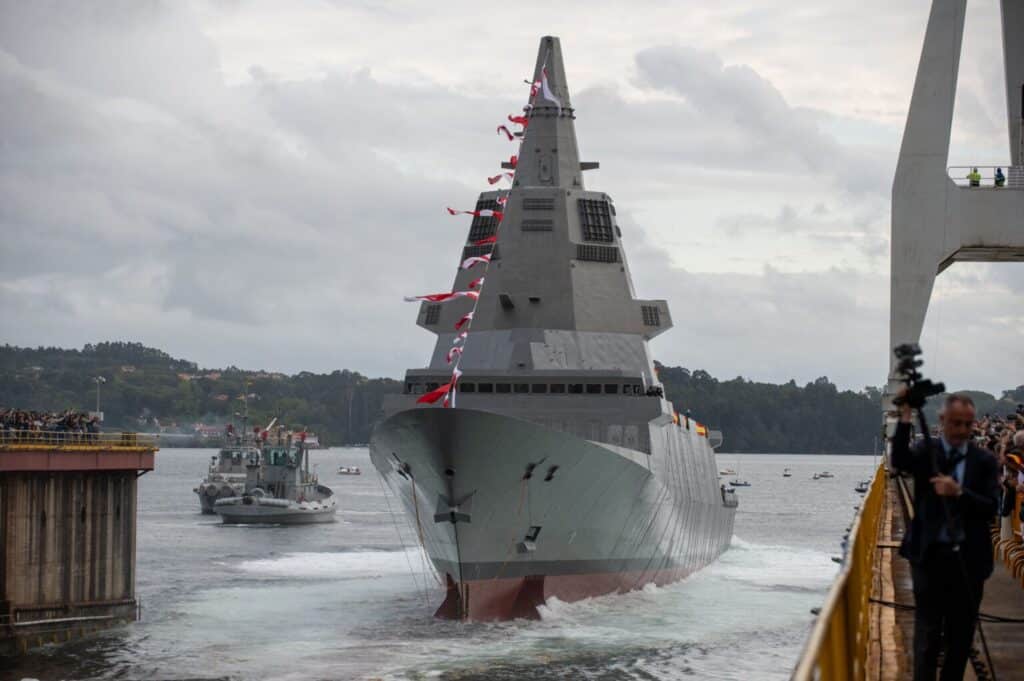
For instance, the Spanish Navy’s Álvaro de Bazán class (F-100) frigates are one example, where Navantia integrated the Lockheed Martin Aegis system as the core of the ship’s combat system. The successful integration confirmed the compatibility of an American-developed radar and fire control system with a Navantia-designed combat management architecture and ship platform. The next edition of Navantia’s role as a national prime in frigate design and construction is the F-110 frigate – Bonifaz class – where Aegis components are integrated in a hybrid configuration, with the Navantia-developed SCOMBA (Navantia Combat Management System) acting as the host combat management system (CMS) – clearly demonstrating Navantia’s ability to integrate foreign combat system elements within a national architecture.
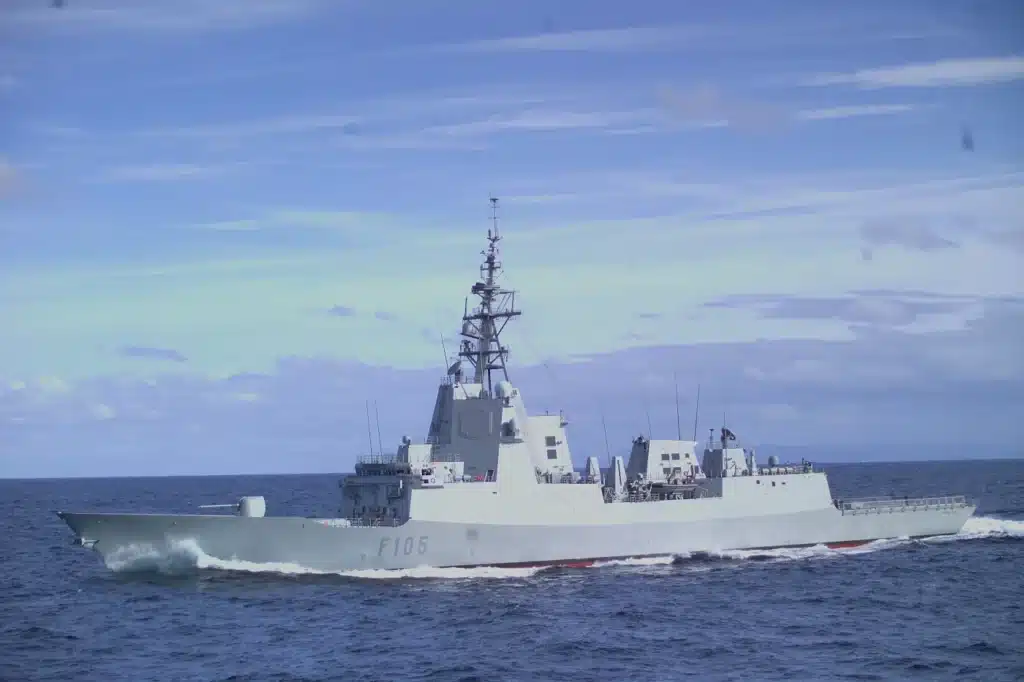
Photo: Navantia
For the Royal Norwegian Navy, Navantia designed an built the Fridtjof Nansen class (F-320) frigates that have been delivered between 2006 and 2011. These surface combatants are a clear example of Navantia’s capability to integrate nationally selected systems into its naval platforms.
Kongsberg Defence & Aerospace was one of the main subcontractors for the Nansen class programme and supplied key national components of the combat system, including anti-surface warfare (ASuW), anti-submarine warfare (ASW) and navigation systems. Here, Navantia also integrated the Aegis combat system elements, sensors and weapons, so it is a clear example of integration within a multinational combat system, demonstrating the ability to integrate national systems alongside other international systems within a single, coherent ship design, while meeting Norways special operational and sovereignty requirements.
The case of Australia
In Australia, Navantia’s role was very similar, with the partnership with Saab resulting in the integration of Saab’s 9LV CMS with Navantia-designed naval platforms. The modular, open and real-time architecture of the 9LV system has enabled early and effective incorporation of combat system requirements into the platform design – the Hobart class air warfare destroyer (AWD) – allowing combat system and ship development to proceed in parallel rather than in a sequential process. This approach has consistently reduced integration risk, preserved design margins and supported predictable delivery across complex programmes.
Australia’s Canberra class landing helicopter dock (LHD) programme marked a pivotal milestone. One of the most demanding naval acquisition efforts undertaken by Australia, the programme combined the delivery of a large amphibious platform with the integration of a nationally controlled combat system within a multinational industrial framework. Navantia acted as platform designer and shipbuilder, while Saab Australia was responsible for combat system design and integration, operating within a clearly defined and disciplined allocation of technical authority.
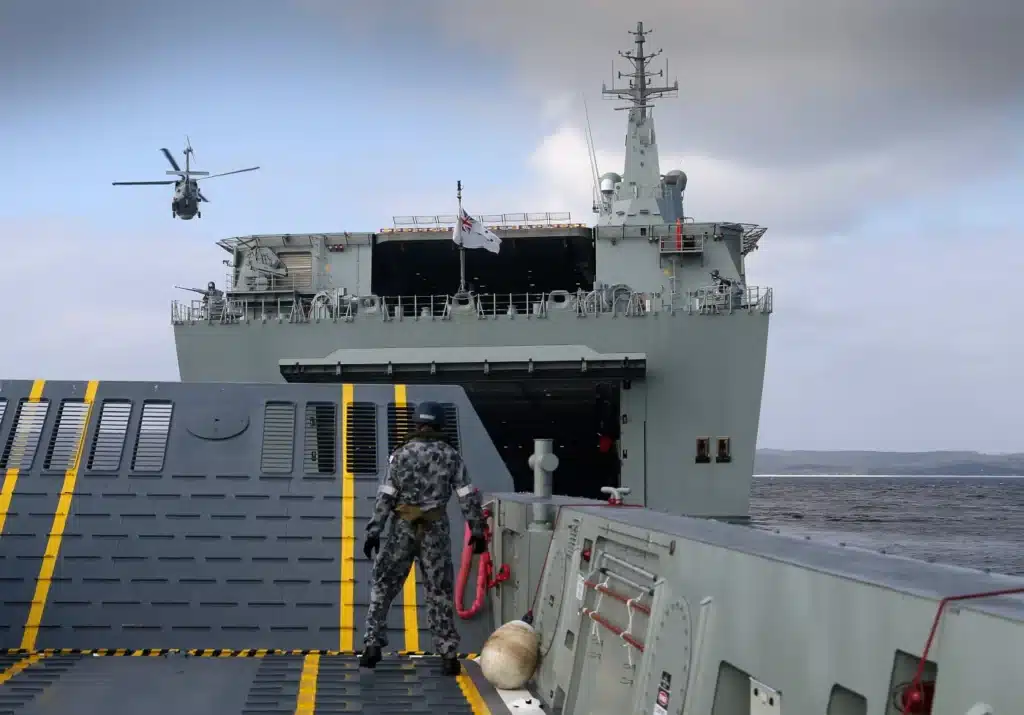
Photo: Royal Australian Navy
This separation of responsibilities – with Navantia retaining platform design authority and Saab leading combat system architecture – was underpinned by structured and continuous technical cooperation. Early definition and management of platform to combat system interfaces, including power, cooling, data, structural integration, topside arrangements and electromagnetic compatibility, ensured that the combat system was treated as an integral element of the ship’s architecture rather than a late stage installation. The provision of adequate platform design margins allowed the combat system to be tailored to national operational requirements without driving disruptive redesign or schedule impact.
The execution of this interface-driven integration strategy delivered tangible benefits during construction, integration and verification. Saab led combat system integration and configuration management activities while remaining tightly aligned with Navantia’s platform baseline, resulting in a combat system optimised for the LHD’s operational role – capable of incremental upgrade throughout the ships’ service life. Significantly, this approach preserved freedom of action for future capability evolution while maintaining platform integrity and affordability.
Beyond the delivery of the two Canberra class LHDs, the programme established a repeatable collaboration framework that has since been applied across additional ship classes and programme contexts. This model was subsequently matured in the Supply class auxiliary oiler replenishment (AAOR) programme, where the same principles were applied to a different platform type and mission profile. The reuse of proven interface definitions, shared system baselines, and disciplined configuration control processes demonstrated the scalability of the Navantia-Saab approach, while strengthening fleet commonality and sustainment efficiency.
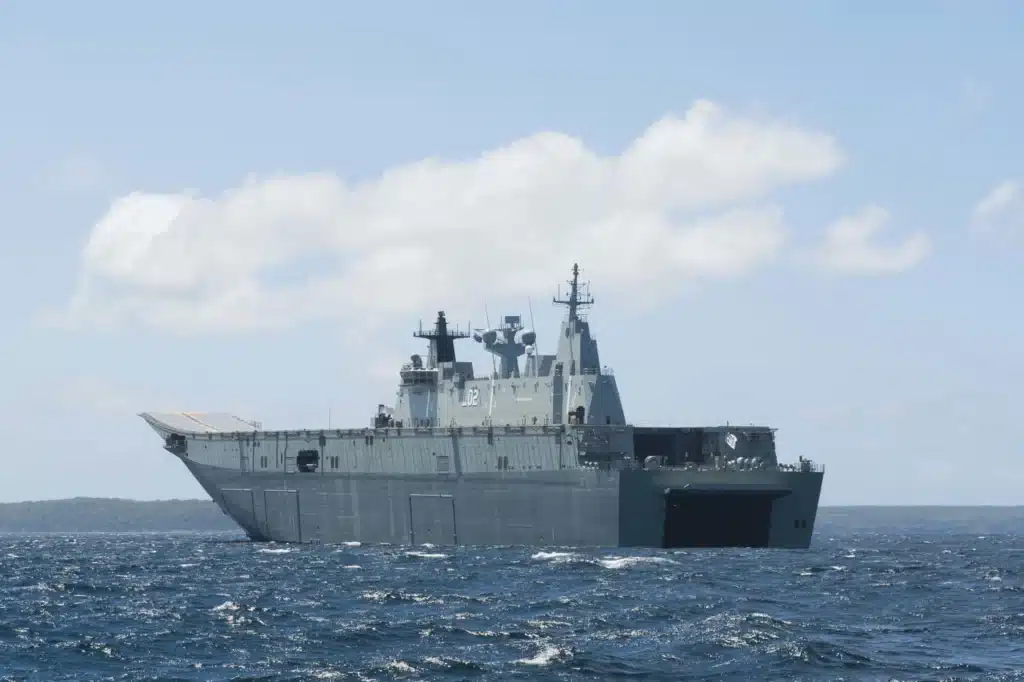
(Photos: Royal Australian Navy)
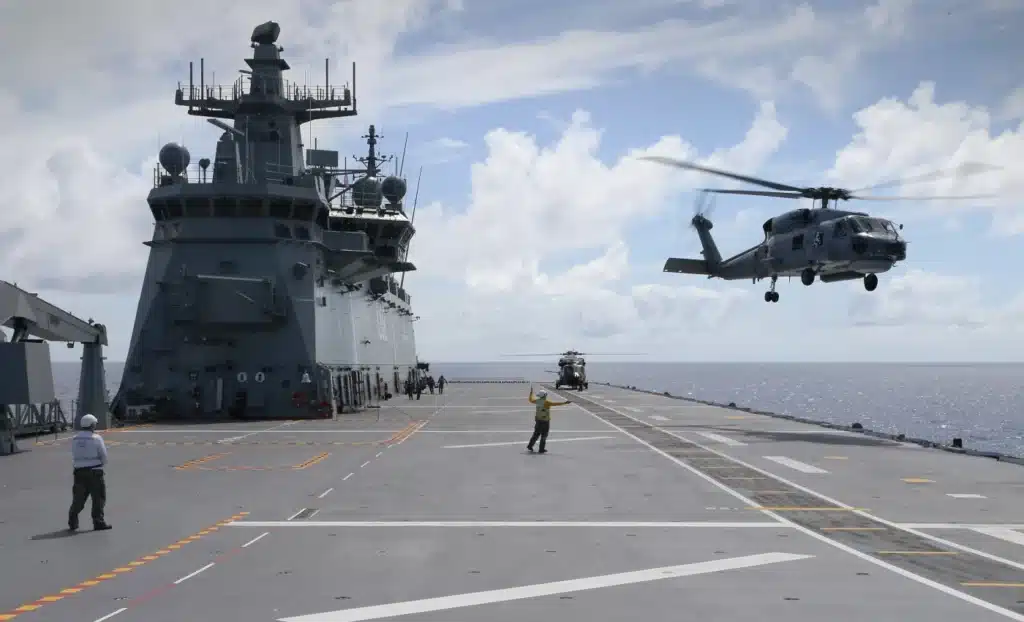
(Photos: Royal Australian Navy)
Across all programmes, Navantia demonstrated the ability to engage in robust and enduring partnerships that deliver a repeatable, modular integration framework; shared engineering and testing environments; sovereign combat system integration capability; and proven interoperability with US, Australian and NATO aligned systems. The professional relationship between Navantia and its partners has been a consistent enabler of success. Close, effective day-to-day communication, supported by mutual respect and a strong culture of technical collaboration, has allowed complex integration challenges to be addressed efficiently and transparently, while supporting the development of a stable and skilled domestic workforce
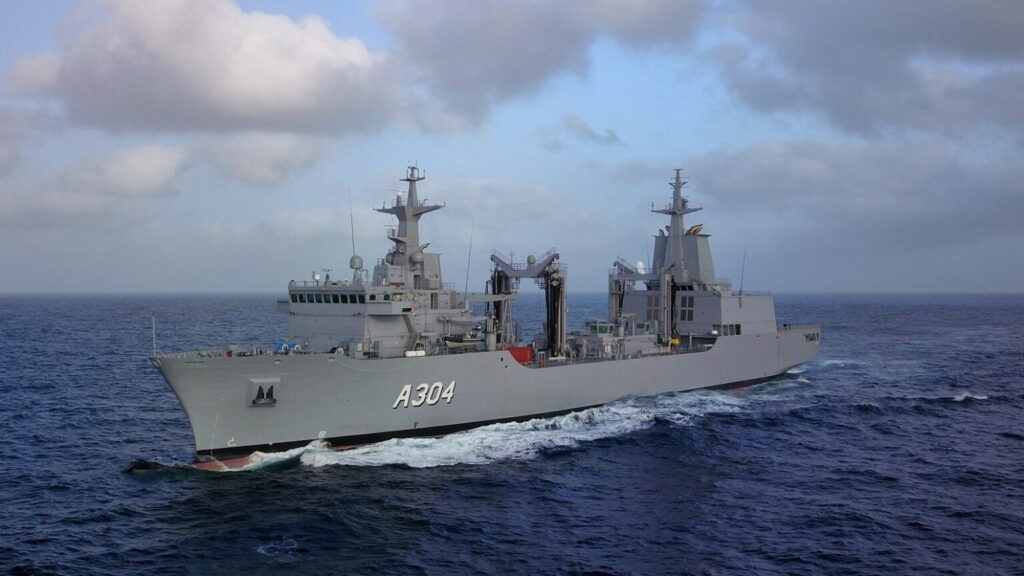
Photo: Royal Australian Navy
Conclusion
Overall, Navantia has demonstrated a proven capability to integrate third-party systems and other equipment into complex naval platforms, combining exportable ship designs with customer selected systems. Through open architecture, disciplined interface management and clear technical responsibilities, Navantia enables sovereign control, future growth and long-term sustainability, reinforcing its role as a trusted integrator of advanced naval capabilities. With several future naval programmes on the horizon, Navantia’s collaboration model is increasingly recognised as a reliable and scalable pathway for delivering advanced maritime capability aligned with national sovereignty, fleet commonality, export competitiveness and long term fleet sustainability.